The historical evolution of casinos
The concept of casinos can be traced back centuries, with roots in ancient civilizations where games of chance were played in public spaces. Over time, these informal gatherings evolved into more structured establishments. The first official casino, the Ridotto, opened in Venice in 1638, providing a controlled environment for gambling and entertainment. This transformation marked the beginning of gambling as a mainstream activity, setting a precedent for the grand casinos we see today. In contemporary society, many players prefer engaging with online pokies as a popular choice for entertainment.

By the late 19th and early 20th centuries, casinos became symbols of opulence and luxury, particularly in places like Monte Carlo and Las Vegas. They attracted not only gamblers but also tourists seeking thrilling experiences. The glitzy ambiance and entertainment options that accompany casinos solidified their status as cultural landmarks, reflecting societal values related to risk-taking, leisure, and economic aspiration.
Today, casinos serve as cultural hubs that blend gambling, entertainment, dining, and social interaction. Their evolution illustrates how gaming establishments have adapted to societal changes, including shifts in technology and regulations. As society increasingly embraces digital innovation, online casinos now complement traditional brick-and-mortar establishments, further embedding the culture of gambling in everyday life.
The social impact of casinos
Casinos play a significant role in shaping social interactions and community dynamics. They offer a space where people from diverse backgrounds converge, fostering connections through shared experiences. These venues often host events and entertainment that draw crowds, thereby enriching local cultures. The mingling of various social classes within casinos can break down barriers and encourage a sense of community among patrons.
However, the social impact of casinos is not universally positive. Critics argue that casinos can contribute to social issues, such as gambling addiction and economic disparity. While many people enjoy gaming recreationally, a percentage may develop problematic gambling behaviors that affect their families and communities. Addressing these concerns has become essential, prompting casinos to invest in responsible gaming initiatives that aim to educate patrons and promote safer gambling practices.
Furthermore, casinos often stimulate local economies by creating jobs and attracting tourism. The revenue generated can lead to increased funding for public services and infrastructure, benefiting the community at large. In this way, casinos can be viewed as double-edged swords, offering both opportunities for social engagement and challenges that necessitate careful consideration.
The psychological allure of gambling
The psychological aspects of gambling play a crucial role in the cultural significance of casinos. The thrill of risk and the potential for reward create a unique environment that captivates players. Research shows that the anticipation of winning activates the brain’s reward system, leading to feelings of excitement and euphoria. This emotional high is often a driving factor behind why individuals are drawn to casinos.
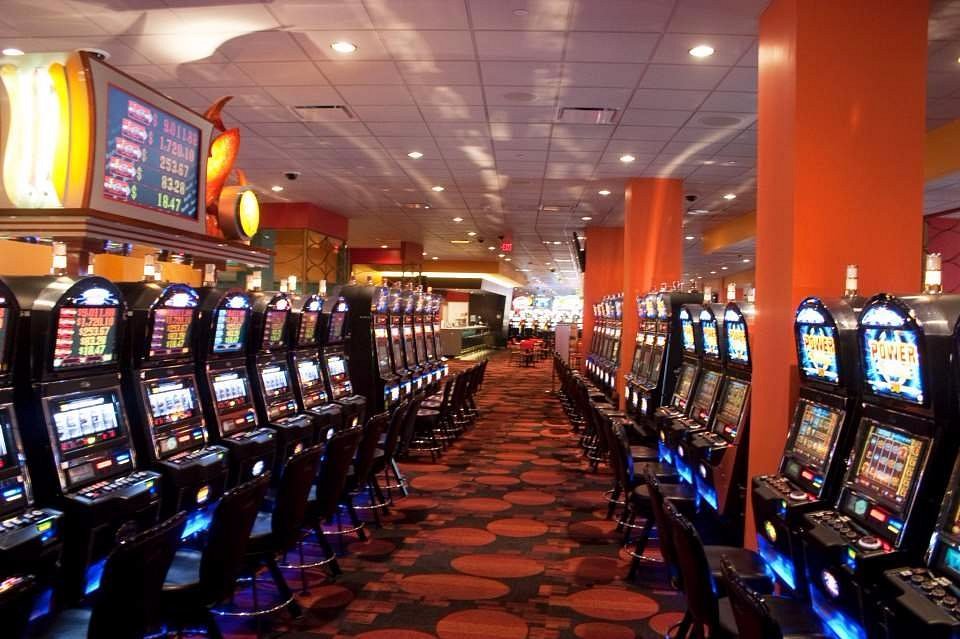
Moreover, the design of casinos is intentionally crafted to enhance this psychological allure. Bright lights, sounds of winning, and the overall atmosphere are designed to create an immersive experience that keeps patrons engaged. The layout encourages exploration, with strategically placed games and attractions that entice players to try their luck and stay longer. This carefully curated environment not only amplifies the gambling experience but also reflects broader societal values surrounding risk and reward.
Despite its allure, the psychological impact of gambling can be complex. While many enjoy it as a form of entertainment, the risks associated with addiction and financial loss can lead to adverse psychological effects. Casinos and regulatory bodies are increasingly recognizing the importance of promoting awareness and resources to mitigate these risks, ensuring that the excitement of gambling does not overshadow the necessity of responsible gaming.
The role of technology in modern casinos
As technology evolves, so too does the landscape of casinos. The advent of online gambling has revolutionized the way people engage with gaming, making it more accessible than ever. Online platforms offer a wide range of games that can be played from the comfort of one’s home, catering to a demographic that may not visit physical casinos. This shift has not only expanded the audience for casinos but has also changed the way traditional establishments operate.
Brick-and-mortar casinos are increasingly incorporating technology to enhance the customer experience. Many now feature high-tech gaming machines, interactive displays, and mobile applications that allow for seamless betting and rewards tracking. Additionally, the integration of virtual and augmented reality in casino gaming is poised to offer entirely new experiences, blurring the lines between physical and digital gambling.
The use of technology also raises important discussions about data privacy and responsible gaming. With online casinos collecting vast amounts of user data, there is a growing need for transparency and ethical practices. As technology continues to shape the gambling landscape, it is crucial for casinos to navigate these challenges while ensuring a safe and enjoyable experience for players.
The future of casinos in modern society
The future of casinos in modern society is set to be influenced by ongoing societal changes, regulatory shifts, and technological advancements. As more regions consider legalizing gambling, the landscape may become even more diverse. This expansion offers opportunities for economic growth but also calls for responsible governance to ensure that the social implications are carefully managed.
In addition, the increasing popularity of online gambling signifies a need for hybrid models that blend traditional and digital experiences. Casinos may evolve to become entertainment hubs that offer more than just gaming, incorporating diverse attractions such as live performances, restaurants, and cultural events. This shift could enhance their relevance in the entertainment sector, appealing to a broader audience.
Ultimately, the cultural significance of casinos will continue to evolve alongside societal values and technological innovations. Stakeholders must remain proactive in addressing the challenges and opportunities presented by this dynamic industry, ensuring that casinos not only serve as centers of entertainment but also contribute positively to the communities they inhabit.
Exploring responsible gambling resources
As the cultural significance of casinos expands, it becomes increasingly important to highlight responsible gambling practices. Many casinos are taking proactive steps to educate patrons about gambling addiction and provide resources for those in need. By integrating responsible gaming messages into their operations, casinos can foster a safer environment for everyone involved.
For players, understanding the risks and knowing when to seek help is paramount. Many establishments offer self-exclusion programs, allowing individuals to take a break from gambling activities. Furthermore, casinos often collaborate with organizations dedicated to helping those struggling with gambling addiction, providing vital support and resources for recovery.
In conclusion, the cultural significance of casinos in modern society is multifaceted, encompassing historical evolution, social impact, psychological allure, technological advancements, and future prospects. By embracing responsible gaming initiatives, casinos can ensure that they remain valuable cultural institutions while addressing the challenges that come with their popularity.